
"from crop to cup"
4000 article(s) found
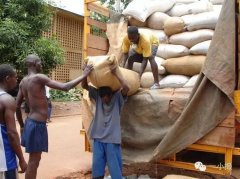
Java in Cameroon introduces the shape of coffee beans.
Abstract: Cameroon has the characteristics of soil quality, climate and topography, which is suitable for the growth of many kinds of crops. The main crops are coffee, cocoa, cotton and other cash crops and millet, sorghum, corn and other food crops. Cameroon is rich in Rob Coffee Raw beans. Cameroon has the characteristics of soil quality, climate and topography, which is suitable for the growth of many kinds of crops. The main crop is coffee.

Introduction to West Africa-West Cameroon Plateau producing area of java long Bean
Abstract: Cameroon has the characteristics of soil quality, climate and topography, which is suitable for the growth of many kinds of crops. The main crops are coffee, cocoa, cotton and other cash crops and millet, sorghum, corn and other food crops. Cameroon is rich in Rob Coffee Raw beans. Cameroon has the characteristics of soil quality, climate and topography, which is suitable for the growth of many kinds of crops. The main crop is coffee.

Coffee is the No. 1 crop in global trade. Ranking of coffee production and consumption
Exchange of professional baristas Please pay attention to Coffee Workshop (Wechat official account cafe_style) Coffee is the No. 1 item in world crop trade volume, surpassing rice and wheat, while the world's largest coffee producer is Brazil, the largest consumer is the United States, and Finland has the highest coffee consumption per person, with an average of 4 to 5 cups of coffee per person per day. Author = Choi Rongxia (Korean)
How organic coffee is different from traditional coffee
Coffee factories have traditionally been accompanied by shade trees and other food and commodity crops. This approach is done for healthier soil and prevented water pollution. Unfortunately, many coffee growers have abandoned this approach in favor of larger crops and greater profits. However, integrated pesticides, herbicides and fertilizers have become necessary to maintain these crops and make coffee with them.
Coffee common sense how organic coffee is different from traditional coffee
Coffee factories have traditionally been accompanied by shade trees and other food and commodity crops. This approach is done for healthier soil and prevented water pollution. Unfortunately, many coffee growers have abandoned this approach in favor of larger crops and greater profits. However, integrated pesticides, herbicides and fertilizers have become necessary to maintain these crops and make coffee with them.

Coffee common sense how organic coffee is different from traditional coffee
Coffee factories have traditionally been accompanied by shade trees and other food and commodity crops. This approach is done for healthier soil and prevented water pollution. Unfortunately, many coffee growers have abandoned this approach in favor of larger crops and greater profits. However, integrated pesticides, herbicides and fertilizers have become necessary to maintain these crops and make coffee with them.
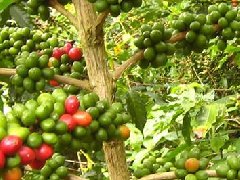
A new way for scientists to identify microscopic worms attacking coffee crops
Professional Coffee knowledge Exchange more information on coffee beans Please follow the coffee workshop (Wechat official account cafe_style) the plant that produces coffee, one of the world's most popular drinks, is the target of miniature worms, but scientists are fighting back. Due to the use of a new rapid detection method, an underestimated coffee planting problem has been found in the soil samples in the field of coffee cultivation. This method
Organic Coffee and traditional Coffee
How organic coffee differs from traditional coffee: coffee factories traditionally grow in shade trees and other food and commodity crops. This approach is done for healthier soil and prevented water pollution. Unfortunately, many coffee growers have abandoned this approach in favor of larger crops and greater profits. However, integrated pesticides, herbicides and fertilizers have become necessary

Coffee compares how organic coffee is different from traditional coffee
How organic coffee differs from traditional coffee: coffee factories traditionally grow in shade trees and other food and commodity crops. This approach is done for healthier soil and prevented water pollution. Unfortunately, many coffee growers have abandoned this approach in favor of larger crops and greater profits. However, integrated pesticides, herbicides and fertilizers have become necessary

How organic coffee is different from traditional coffee
How organic coffee differs from traditional coffee: coffee factories traditionally grow in shade trees and other food and commodity crops. This approach is done for healthier soil and prevented water pollution. Unfortunately, many coffee growers have abandoned this approach in favor of larger crops and greater profits. However, integrated pesticides, herbicides and fertilizers have become necessary

Coffee common sense what is the difference between organic coffee and traditional coffee
Coffee factories have traditionally been accompanied by shade trees and other food and commodity crops. This approach is done for healthier soil and prevented water pollution. Unfortunately, many coffee growers have abandoned this approach in favor of larger crops and greater profits. However, integrated pesticides, herbicides and fertilizers have become necessary to maintain these crops and make coffee with them.

Organic Coffee and traditional Coffee Fine Coffee
How organic coffee differs from traditional coffee: coffee factories traditionally grow in shade trees and other food and commodity crops. This approach is done for healthier soil and prevented water pollution. Unfortunately, many coffee growers have abandoned this approach in favor of larger crops and greater profits. However, integrated pesticides, herbicides and fertilizers have become necessary

Specialty Coffee III
Before saying that in the factors affecting the taste of a cup of coffee, raw beans account for 60%, roasting accounts for 30%, production accounts for 10%, this is a rough analysis, then throughout the life course of coffee beans, from crop to cup factors affecting the taste of a cup of coffee can be infinitely refined. First, the variety. Sow melons and reap melons, sow beans and reap beans. Whether you plant melons or beans, seed selection is the first priority. Of course, I
Boutique Coffee (specialty coffee)
It was said before that among the factors that affect the taste of a cup of coffee, raw beans account for 60%, roasting accounts for 30%, and production accounts for 10%. This is a general analysis, so throughout the life process of coffee beans, the factors that from crop to cup affects the taste of a cup of coffee can be infinitely refined. The first is the variety. Sow melon, reap beans, no matter whether it is to plant melons or beans, seed selection is the most important, of course I
Basic knowledge of Coffee definition of Fine Coffee
It was said before that among the factors that affect the taste of a cup of coffee, raw beans account for 60%, roasting accounts for 30%, and production accounts for 10%. This is a general analysis, so throughout the life process of coffee beans, the factors that from crop to cup affects the taste of a cup of coffee can be infinitely refined. The first is the variety. Sow melon, reap beans, no matter whether it is to plant melons or beans, seed selection is the most important, of course I
Specialty coffee Fine Coffee (3) factors determining Coffee Taste
It was said before that among the factors that affect the taste of a cup of coffee, raw beans account for 60%, roasting accounts for 30%, and production accounts for 10%. This is a general analysis, so throughout the life process of coffee beans, the factors that from crop to cup affects the taste of a cup of coffee can be infinitely refined. The first is the variety. Sow melon, reap beans, no matter whether it is to plant melons or beans, seed selection is the most important, of course I
Boutique Coffee all kinds of common sense about fine coffee
It was said before that among the factors that affect the taste of a cup of coffee, raw beans account for 60%, roasting accounts for 30%, and production accounts for 10%. This is a general analysis, so throughout the life process of coffee beans, the factors that from crop to cup affects the taste of a cup of coffee can be infinitely refined. The first is the variety. Sow melon, reap beans, no matter whether it is to plant melons or beans, seed selection is the most important, of course I

Introduction to the origin of organic coffee in Thailand _ which brand of Thai coffee tastes good _ the price of Thai coffee beans
For more information on coffee beans, please follow the coffee workshop (Wechat official account cafe_style) ● Akama Coffee Farm (Akha Ama), which is run by a group of aka people (the Akha) living in the village of Maejantai in the mountains of northern Thailand. As the local climate is very suitable for growing Arabica coffee beans (A

The basic knowledge of buying Coffee beans
The easiest way to judge the delicious coffee at the time of pawn is to sigh the filter paper.

Columbia Spring Manor single Bean production area introduces how to brew Spring Manor single Bean
The exchange of professional baristas please follow the coffee workshop (Wechat official account cafe_style) Arnulfo has also trained his son to learn cup testing skills in Los Naranjos's cup testing laboratory, laying the foundation for his career. For the new generation of coffee farmers, it is hoped that with miniature batches of coffee that can be traced back to production information, the fruits of their hard work can be exhibited through excellent flavor in the cup.